Çanakkale is full of ancient towns, castles and historical sites. The most famous are Troy, which dates back to over 3000 BCE and was occupied until the fifth century AD, and the Gallipoli battlefield where the Turks, including Mustafa Kemal later known as Atatürk, held the Allies back in the first World War. But there’s also less well-known sites like Assos, Alexandria Troas, Apollon Smintheon, and Parion along the coasts, Byzantine castles like Atikhisar, and the forts along the straits at Seddulbahir, Kumkale, Kilitbahir, and Canakkale (Sultaniye) constructed on the orders of Mehmet the Conqueror.
Another settlement was Dardanos, on the Dardanelles between Kepez and Güzelyalı. It is thought the city was founded in the about the 6th or 7th century BCE and was part of the Delian League at one point, while also coming under Persian control at times. Though the ancient city is known from sources such as Pliny the Elder and Strabo and was the location for a treaty between the Roman general Sulla and Mithridates VI of Pontus, there is little evidence of the city today.
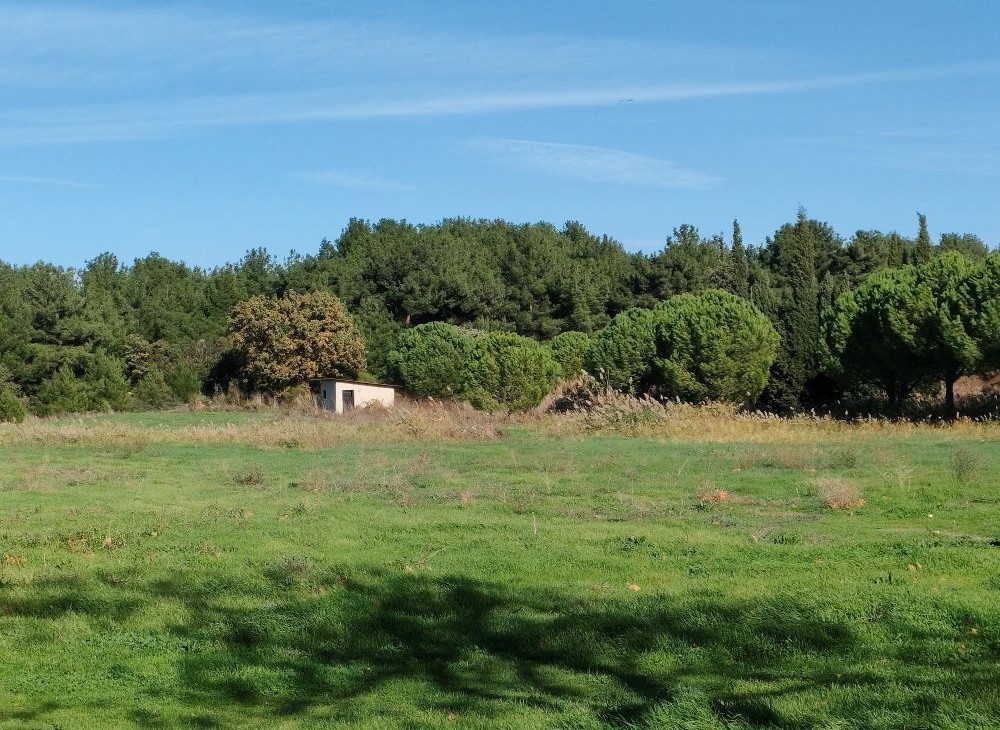
However, in 1959 a cement factory was being constructed in the area and a very unassuming wooded hill was found to hold a tumulus. The tumulus had a corridor, a vestibule and a burial chamber with a gable roof. The passage and vestibule are separated by a trapezoid opening, while the burial chamber has a rectangular opening. The tomb is oriented northwest to southeast and is 12.40 metres long and the burial chamber height is 3.45 metres.
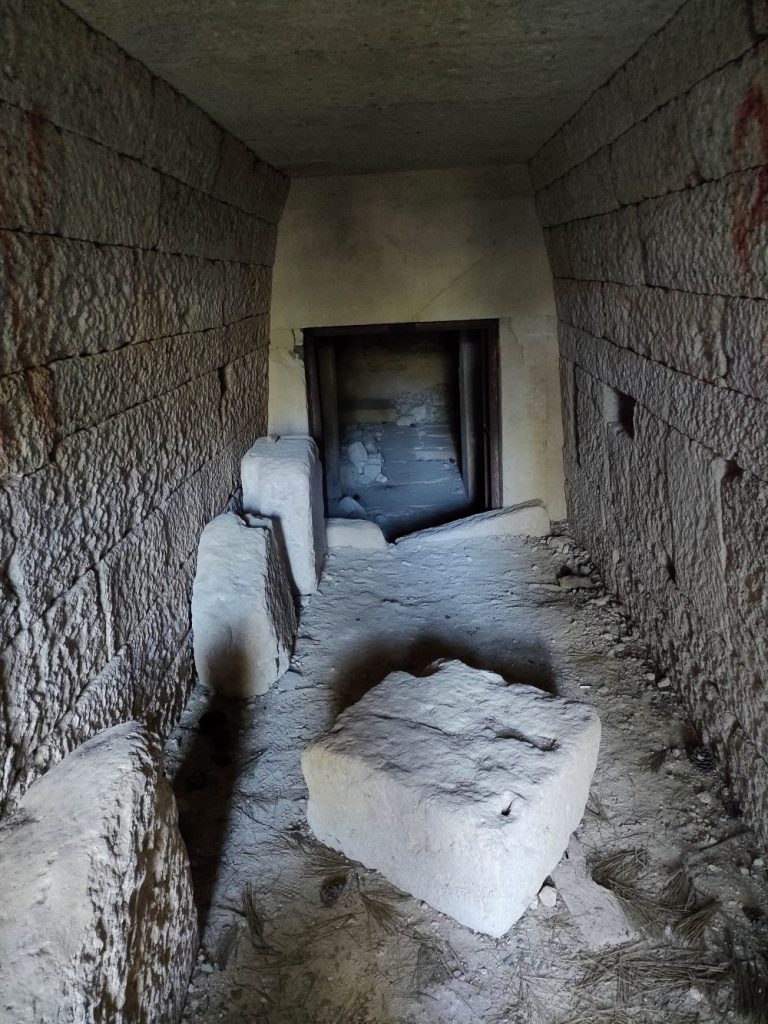
Inside were three stone benches along the back and side walls of the chamber and 42 human skulls were found. There were also urns and cremation ashes. But the exciting part of the discovery was the funeral gifts, including figurines, oil lamps, clothes, musical instruments, furniture, jewellery and tools made of gold, silver, bronze, iron and lead. The gold jewellery was particularly spectacular.
An inscription on the walls indicates it was built in the 6th century BC by Skamandrios. It was used for burials for a long period, even into the 1st or 2nd century AD. The entrance was then closed with boulders and buried.
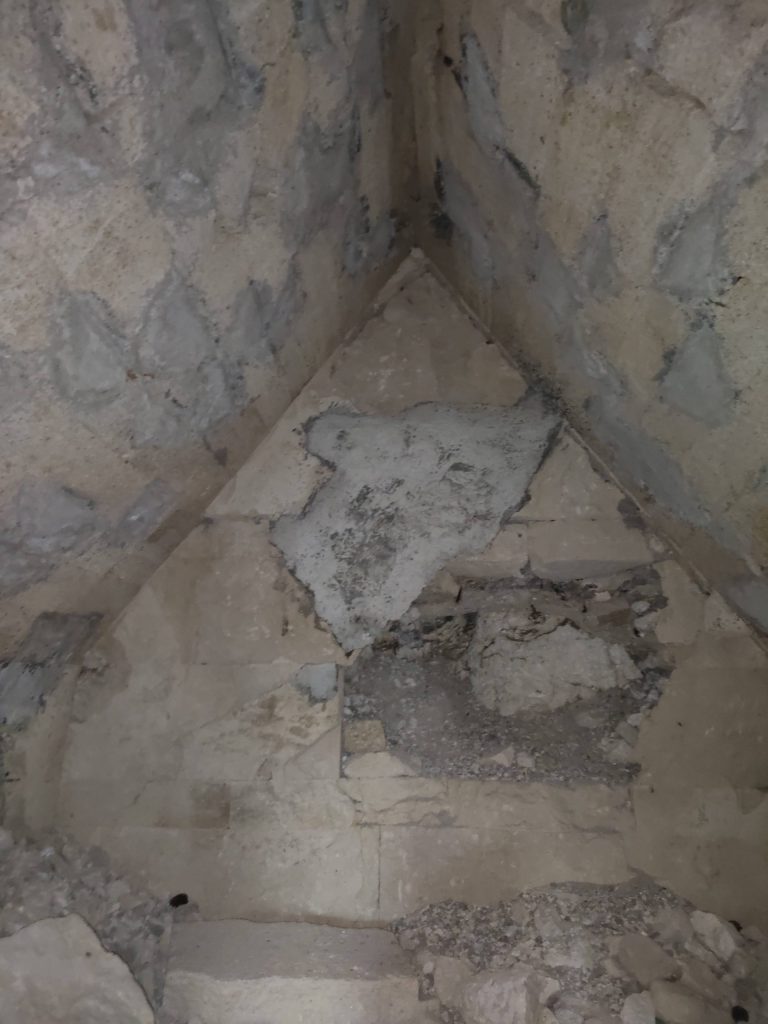
The site was excavated in 1959 and then again in 1989. Currently it’s on the grounds of the Dardanos campus of Çanakkale Onsekiz Mart University and can be accessed by taking a path from the car park toward a low wooded hill. There is little to see, though the walk is peaceful.
The finds were displayed in the Çanakkale Archaeological Museum for many years before being moved to the museum at Troy when it opened in 2018. The exhibit on the ground floor about cities of the Troad includes the finds from the Dardanos Tumulus.
So the possibility of another tumulus containing anything like these finds is very exciting. But I suspect that in the sixty odd years since 1959, every hill and mound in the area has been carefully examined by potential looters.
Join the Conversation…